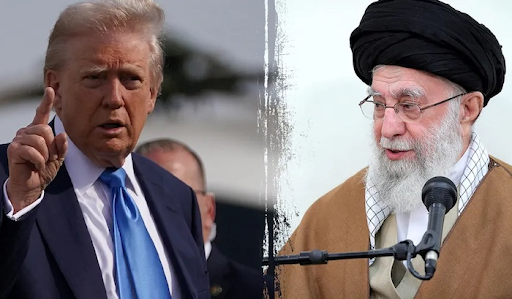
Iran’s supreme leader, Ayatollah Ali Khamenei, has died after being hit by missile strikes on February 28, 2026. The missile attacks were a result of the continued violence in the Middle East. Reports show that missile attacks were launched on Tehran’s conference centers and all locations important to how their government runs. The Jerusalem Post reported that “Israeli strikes on Tehran killed Iranian Supreme Leader Ali Khamenei as well as several other senior Iranian officials.” As a result of these attacks, some believe that the area will experience even more violence and continuing chaos than expected.
Experts say that surprising leadership changes can cause worry, fear, and chaos. When a powerful leader, for example, a supreme leader, dies, the government has to maintain order and decide how the country or state will move forward.
One of the most crucial jobs in the world today is that of Iran’s supreme leader. History teacher, Ms. Vander Molen, explained that the position holds power over key parts of the government: “From a historical perspective, Iran’s Supreme Leader holds significant authority because the position combines religious leadership with political power, including influence over the military, judiciary, and major state decisions.” Because of this level of power, many experts think that whoever becomes Iran’s new supreme leader will have a big effect on Iran’s relationships inside and outside the country.
Some of Rampo’s students are also following this story as it develops. One sophomore student here at Ramapo, Hailey Weber, gave an account of how she learned about the Iranian supreme leader’s death. She explained why the Iranian leader’s death is important for today’s early generation, commenting,
“The news of the Iranian supreme leader’s death first came to me through social media. As I looked deeper, I noticed how this could become an ongoing issue for our country as a whole. As students, we should focus on these events and how our country will take action.”
Many people see Iran as responsible for the chaos within the Middle East. Its power and influence over other Arab nations, its financial support to terrorist organizations, and its present-day nuclear aims have created concern among many conservative individuals. Many also believe chaos may arise within the Middle East because of the future changes in leadership in Iran; therefore, whatever actions taken by Iran today are very important for the Iranian people, and they are just as important to the people of the United States and Israel.
Leadership changes during times of war or political conflict can significantly affect government decisions on diplomacy, national security, and economic development. Leaders all over the world have expressed concern about this issue, as they believe it will affect regional peace and Iran’s selection of future leaders, which might create challenges for the Iranian government.
As events unfold, people and countries around the world are keeping an eye on developments. Ms. Vander Molen emphasized the importance of students across the country being aware of today’s news, too, saying, “It is important for students of history to pay attention to current global events because doing so helps them connect historical patterns and better understand why events are happening today.”
The next Supreme Leader of Iran, and how other countries respond, will be crucial in deciding whether things get worse or whether countries can work toward common ground with one another. Only time will tell how Iran and the rest of the world will move forward from here.