In early January 2026, the U.S. government launched an expansive immigration enforcement campaign across the Minneapolis–Saint Paul area known as Operation Metro Surge. Thousands of agents from U.S. Immigration and Customs Enforcement (ICE) and Customs and Border Protection (CBP) were deployed throughout Minnesota in what federal officials described as an effort to arrest and deport undocumented immigrants. Instead, the operation has become defined by violent encounters, civilian deaths, and deepening conflict between federal authorities, local leaders, and residents (ABC News).
On January 7, Renée Nicole Good, a 37-year-old U.S. citizen and mother of three, was fatally shot by an ICE agent in southern Minneapolis. Federal officials claimed Good drove her vehicle toward officers, prompting the agent to fire in self-defense. However, video footage and an independent autopsy commissioned by her family raised serious doubts about that account, showing no clear evidence that she posed an imminent threat. Good was shot three times, including a fatal wound to the head (ABC News).
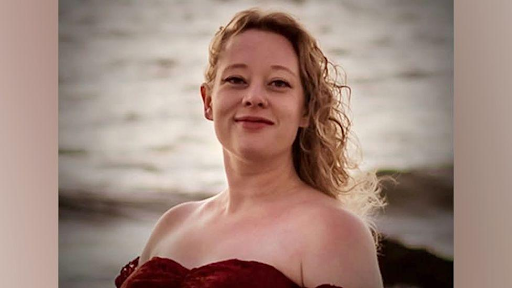
Good’s death immediately ignited protests across Minneapolis and beyond. Her mother, Donna Ganger, described Renée as “loving, forgiving and affectionate,” emphasizing that she had spent her life caring for others (BBC News). Local leaders also pushed back strongly against the federal narrative. Minneapolis Mayor Jacob Frey and Minnesota Governor Tim Walz both disputed claims that Good threatened officers and called for greater transparency and oversight of federal immigration operations (New York Times).
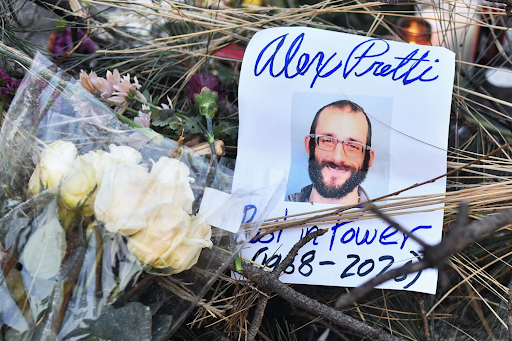
Tensions escalated further less than three weeks later. On January 24, Alex Jeffrey Pretti, a 37-year-old intensive care nurse, was shot and killed by federal agents while protesting ICE’s presence near his home. Officials initially labeled Pretti a “domestic terrorist,” claiming he brandished a firearm. Video evidence later contradicted those claims, showing Pretti holding a cellphone while his legally carried gun had already been removed by agents. He was shot multiple times as he lay on the ground (New York Times).
Ramapo senior Emma Sanchez voiced her concern, stating, “Federal law enforcement is meant to protect the citizens of the U.S. It’s not fair that they are doing the opposite in this case and acting with violence.”
The violence carried out by ICE has sparked protests across Minneapolis and the nation, with community members demanding accountability and questioning ICE’s tactics. Activist groups argue that these incidents highlight broader concerns about aggressive immigration enforcement and its impact on civilian safety (CNN). Tensions between state and federal authorities have intensified, as Minnesota officials have expressed frustration over limited access to evidence and the federal government’s control of investigations. Internal dissent within the Justice Department has also been reported, with prosecutors resigning in protest of the government’s decision not to pursue charges, further fueling scrutiny (CNN).
The killings of Good and Pretti intensified scrutiny of Operation Metro Surge and the Trump administration’s response. While the White House later softened its rhetoric, early statements attacking the victims fueled public anger and bipartisan concern. Protests spread nationwide, memorials filled city streets, and calls grew for federal investigations and limits on ICE’s authority (New York Times).
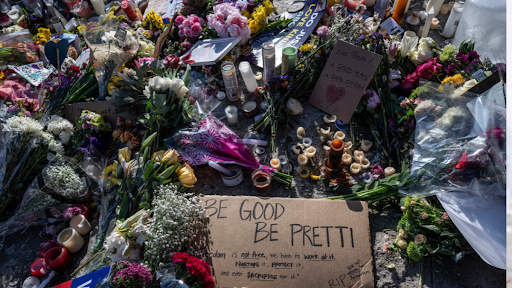
Getty Images (ADWeek)
In an effort to spread awareness and global advocacy, many attendees at the Golden Globes on January 11 and the Grammys on February 1 wore symbolic pins in protest. Actors Mark Ruffalo and Wanda Sykes were among those who referenced Good’s death at the Golden Globes. Ruffalo told USA Today, “This is for Renée Nicole Good, who was murdered,” referring to the “BE GOOD” pin he wore that night (BBC News).
Beyond these fatal encounters, residents have reported widespread fear and trauma linked to ICE activity. Federal agents have used chemical irritants, flash-bang grenades, and riot gear in residential neighborhoods. Children have witnessed raids near schools, families have been separated, and even U.S. citizen minors have been detained, leaving long-term psychological impacts across the city (New York Times).
Local law enforcement has been caught in the middle. Minneapolis police, already strained by staffing shortages, have faced pressure from both federal officials demanding cooperation and residents urging intervention against ICE’s aggressive tactics. City officials warn that unchecked federal force has eroded public trust and made Minneapolis less safe (New York Times).
As legal challenges move forward and civil lawsuits are filed, the deaths of Renée Good and Alex Pretti have become symbols of a broader reckoning over immigration enforcement, civil liberties, and the limits of federal power. For many in Minneapolis, Operation Metro Surge has left behind not safety, but grief, fear, and unanswered questions.