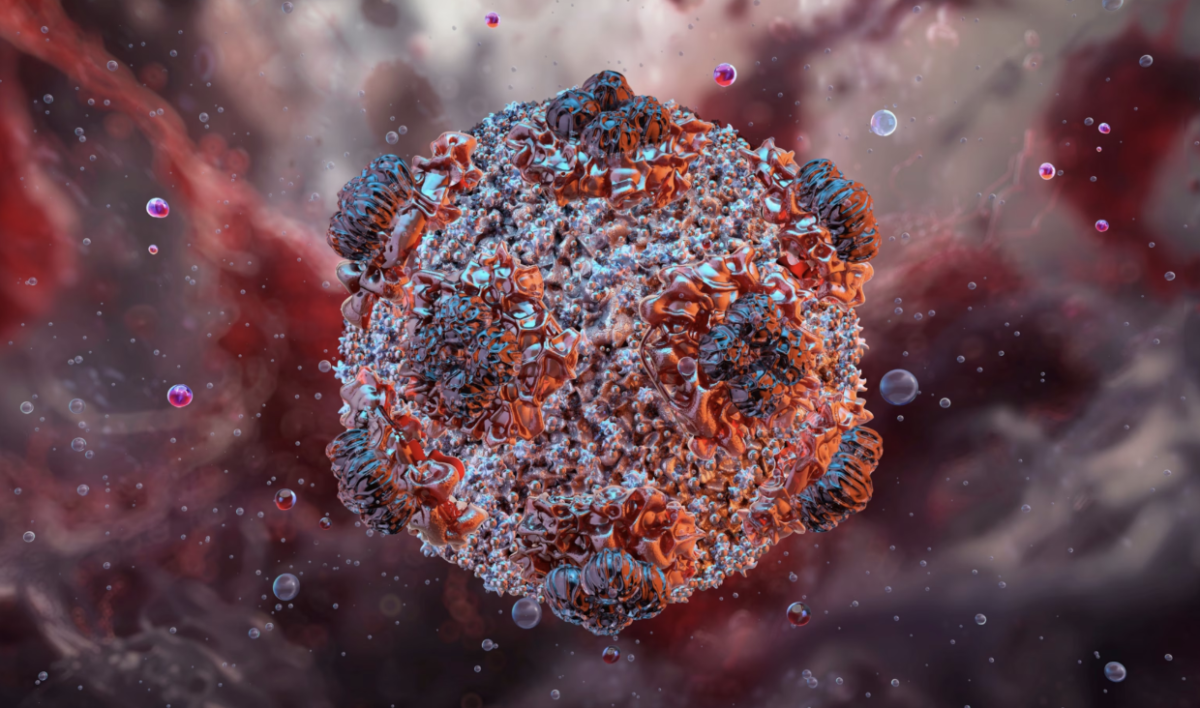
Roughly six and a half years after the COVID-19 pandemic began, a newly discovered virus has emerged and raising concerns as to whether it could become as severe. Before jumping to conclusions, it is important to understand the virus’ history and background.
The outbreak first began in early April 2026 on a trans-Atlantic cruise ship, and now global health authorities are working to contain it. As reported by NPR, humans usually contract Hantavirus by inhaling airborne particles contaminated by infected rodents. Dr. Jeanne Marrazzo, CEO of the Infectious Diseases Society of America, theorized that the first infected man on the cruise ship had the virus before stepping aboard. She believed he was exposed to the virus at a landfill. So far, the outbreak has taken three lives.
Based on CDC’s information from May 19, they have responded to the fatal Andres virus (Hantavirus) outbreak aboard the cruise ship traveling in the Atlantic Ocean. On May 10, the CDC helped tremendously with government partners by transferring 18 remaining cruise passengers to the Nebraska Quarantine Unit at the University of Nebraska Medical Center. This was a necessary action for the individuals by undergoing an evaluation during a 42-day observation period (CDC).
CNN Health released an article indicating the updated news about the cruise passengers on May 29. It explained, “The US government is prepared to allow American passengers who were exposed to a unique strain of hantavirus to return home as early as Monday, provided their states post a monitor outside their homes 24/7 for the remaining three weeks of their six-week quarantine.” This strict, yet necessary, protocol demonstrates how serious health officials take the virus, as they want to prevent its spread while allowing individuals to isolate themselves at home.
On the basis of Stanford Medicine, the Andres virus is unique among the hantaviruses for its confirmed history of occasional human to human transmission. Experts note, however, that even this South American strain is not highly efficient at spreading from person to person. Unlike COVID-19, hantaviruses primarily infect wild rodents and are generally much more difficult to transmit between humans (Stanford Medicine).
Ramapo teacher Mrs. Vander Molen shared her insights on this complex topic. She states, “I can understand why news about hantavirus makes people nervous. After living through the COVID-19 pandemic, many people are more aware of infectious diseases and may react with concern when they hear about a new or unfamiliar virus. However, it’s important to remember that hantavirus is very rare… but will say the Vander Molens will not be going on a cruise any time soon!” This thought highlights how safety is a top priority for families, but it also underscores how past events continue to shape public comfort levels.
Consistent with Mrs. Vander Molen’s viewpoint, Ramapo Sophomore Neva Gold provided her take on the discussion. She remarked, “I think that any outbreak on a boat is difficult to handle properly. Leaving the infected on the boat would have been a bad option but letting them return home was worse. What I think people don’t realize enough is that the Hantavirus could never become a pandemic the way Coronavirus did because of the way it’s spread.” This clear distinction offers a reminder that not every virus poses the same global threat.
Ultimately, while the cruise ship outbreak reminds us of the lingering anxiety of another pandemic, scientific evidence shows that the Andres virus lacks the ability to unleash another global crisis. When the public prioritizes transmission facts over fear, handling new medical emergencies becomes a matter of logic rather than panic. This approach can help promote stronger global coordination, preparedness, and public trust during future outbreaks.